Hunting Series Part 1: Stalking my Cultural Identity & Illegal Game
Reflections of a Korean American hunter...
What comes to mind with the thought of hunting or hunters in the U.S.? Fascination? Controversy? Outdoor Boys? Or perhaps it has never crossed your mind… Whichever it may be, here are some of my initial reflections as a 2nd Generation Korean American hunter who has been ‘stalking’ small and large game animals across the country. Through this process, I am learning that the more significant pursuit is my exploration and redefinition of what it means to be American.
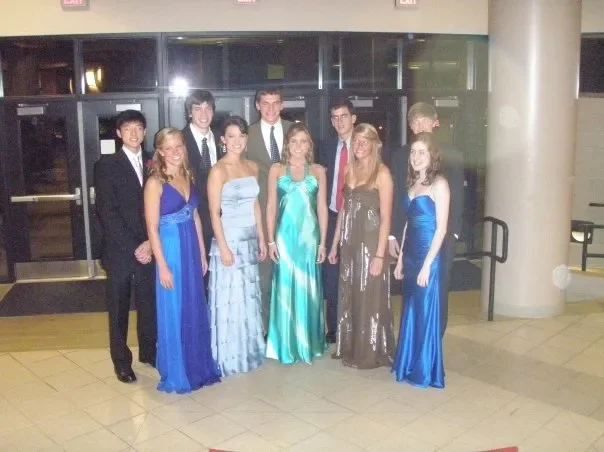
Me (left) with High School Peers during Homecoming - 2009
Growing up as a Korean minority kid in Suburban Georgia during the 90’s in a predominately middle-class White neighborhood, I always had this feeling of wanting to feel ‘American’ like my peers. This perception of being American meant things like attending country music festivals, playing football, cheering at school pep rallies, or escaping to a beach house property in Florida with neighborhood friends. On top of that, it meant having blonde hair, blue eyes, and a charming Southern accent that spoke highly of Chick-fil-a and Coca-Cola over Pepsi.
I did not have blonde hair or blue eyes, but as someone who was raised by a professional fishing and mountaineering uncle, my passion for the outdoors did feel like this narrow sliver of opportunity toward sharing a sense of being ‘American’ like my peers. My fondness for all kinds of outdoor recreation stuck with me even as I moved from Georgia to New England to study at Boston College for four years. So in 2013, the year I graduated college, around the time the hunting show Duck Dynasty was on prime time TV, I started researching everything I could about deer hunting each day I was standing on crowded subways during my commute to downtown Boston. From taking the hunter safety education course to studying public and private forest maps, purchasing Field & Stream magazine to learn deer biology, to trying on camo jackets, I was fascinated. What would it feel like to be like Phil Robertson and his Duck Dynasty clan sharing memorable adventures in hunting blinds and swapping crazy stories over venison banquets at the dinner table? What would it feel like to be an ‘American’ family as portrayed in mainstream media? That same year, I would eventually get my first white-tail deer hunting opportunity on some private land in Georgia that ended in quick disappointment as I was ill-prepared to take a successful shot at harvesting the one deer that came my way.
Looking back, my initial journey into hunting started with a simple desire to preserve my Southern outdoor roots while living and working in the crowded east coast city where I spent my early professional years in cubicles wearing a stiff suit and tie. I needed regular excuses to escape the suffocating train and tiny old apartments to breath fresh air on wide open fields or rolling hills. In addition, it was an activity that I could share with my older brother and cousins who were now 1000 miles away living in Georgia while I was slowly becoming the guy who moved up north to become a city slicker. Each hunting season created opportunities for us siblings to share goals, plan out adventures, and recapture the restorative and bonding power of outdoor-based experiences reminiscent of the many fishing adventures that our uncle guided for us as kids on Lake Lanier or the Chattahoochee River.
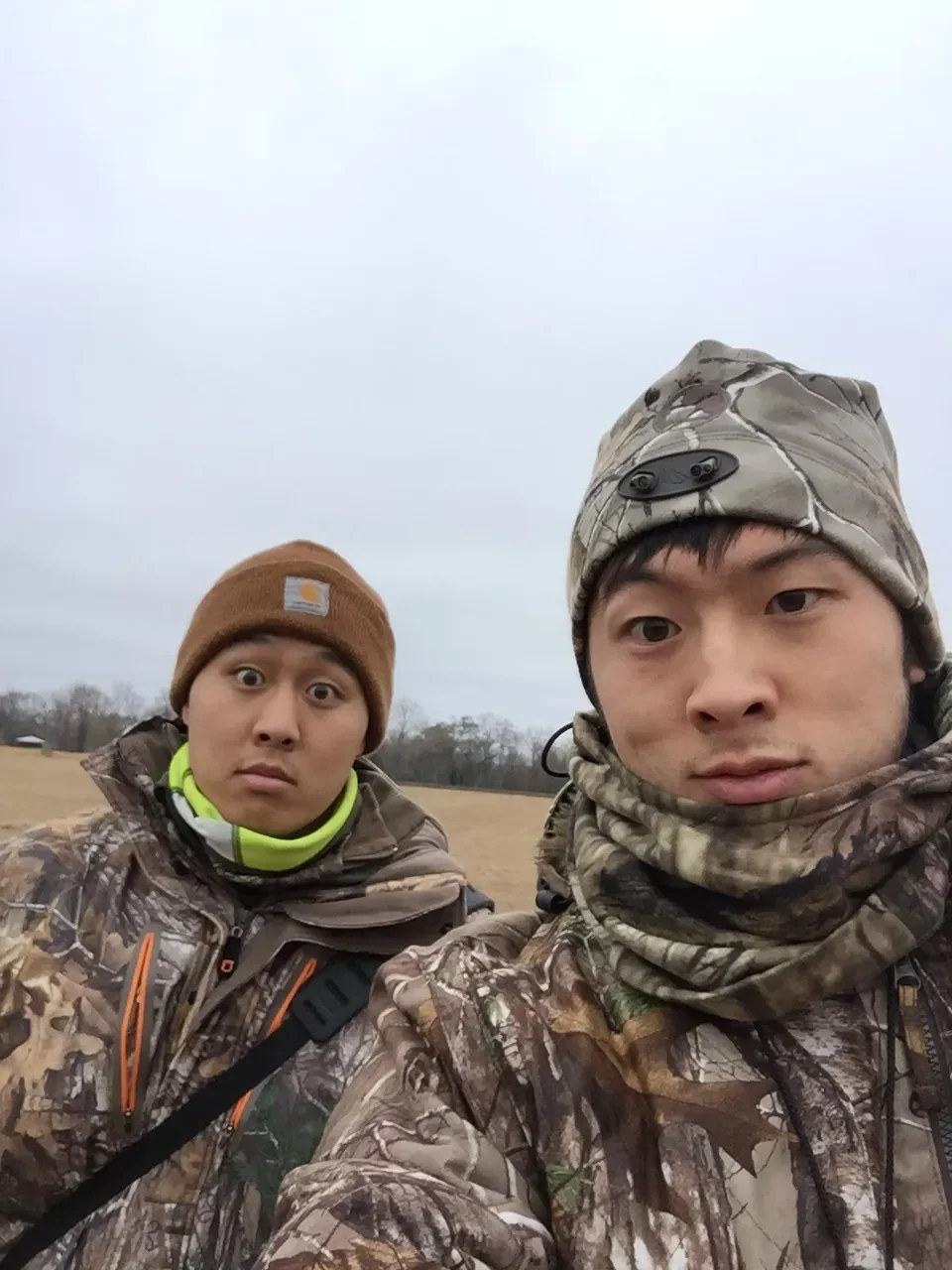
Taken further, I think there was something else I was chasing in this exploration process. As a Korean American minority who always felt like I did not belong in this country or was stereotyped as a studious mathlete, hunting was this strange way where I could rewrite my cultural narrative and decide who I can become. As hunting is more common in rural and White-dominated spaces away from cities or predominately Asian American hubs, I felt like I was giving myself permission to be in an arena that has visible and invisible boundaries that I was not supposed to cross. It felt less scary and even exhilarating to venture into bear-infested woods with Confederate flagged properties to participate in a longstanding ‘American’ past-time rather than only stay in the comforts of Korean restaurants or churches where I typically felt more culturally accepted as a racial minority. Practicing bowhunting and turkey calls, becoming a regular at Basspro and Cabela’s, hanging with ‘good ol boys’ and their lifted trucks, and daring to venture into less explored territories as a Korean American felt like a protest on who I should be as it felt like a culturally ‘illegal’ game. It felt like a rebellious pursuit to stalk my own definition of what it means to be American and where I have permission to take up space in places that I felt like I was not supposed to be. Many times at local gas stations in some of the most rural parts of Georgia or Massachusetts, I would sense eyes that conveyed: ‘Are you lost boy?’ But while I smiled back in my full camoflauge outfit, I hoped to normalize the vision of Asian hunters or Asians in general who felt comfortable in less represented spaces.
Over time, my hunting adventures took me through Georgia, Alabama, Florida, Massachusetts, Vermont, and Maine as I engaged all types of properties, personalities, hunting styles, guiding practices, and state-sponsored wildlife management programs. Through it all, I came out with the experience of feeling physically more connected to this American land, the wildlife, the nature, its food sources, and mostly important myself. It also helped me develop authentic connections and relationships crossing over multiple racial, socioeconomic, & political divides that I would have otherwise never dared to step over. Lastly, it has helped me preserve a continued relationship with my brother as each trip pushed us to experience shared joys, hardships, disappointments, and successes as we surrendered ourselves to rhythms of wildlife and nature that were simply not in our control.
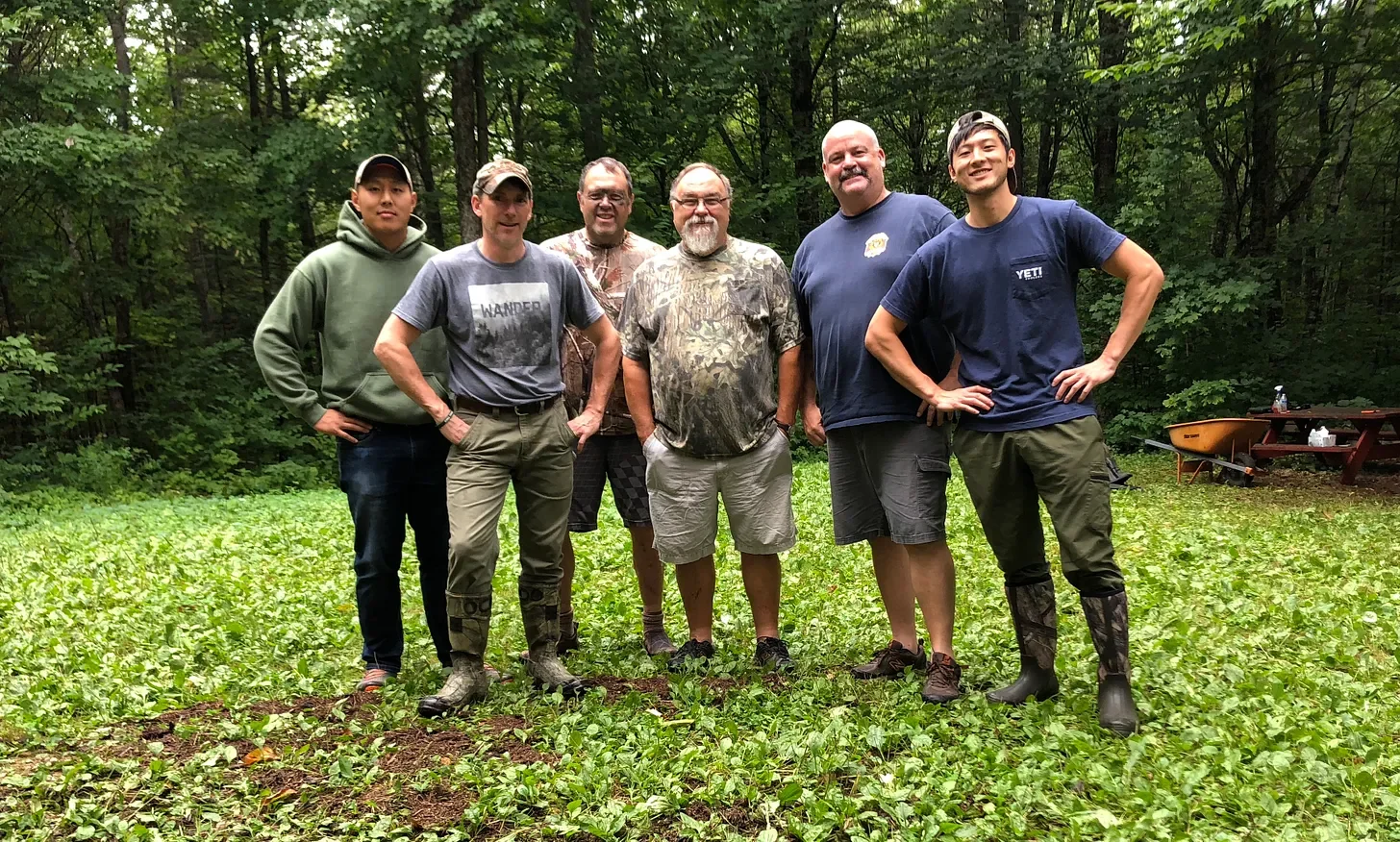
Outside the benefits of hunting, my journey has also introduced me to complex questions and tensions around the ethics of wildlife management, gun laws, environmental issues, commercial hunting challenges, access inequality within outdoor recreation, and the complicated history and dynamics of U.S. land ownership especially as it relates to Native Americans (wording?). Some of these tensions, along with busy lives, had led to me stepping away from the ‘Game’ for the past 4 years.
However, in this 4 year hiatus that has included a move to downtown Los Angeles, I have also gotten to further embrace more of my Korean heritage and identity by being challenged and healed through conversations with my wife and other Asian American colleagues or friends. Thus, I feel an itch to get back in the woods but re-engage hunting in a way that incorporates more of my ‘Korean’ self in a longstanding ‘American’ past-time.
Just like any hunting trip, I am not sure what I will encounter on this journey. But I am hoping my own journey as a Korean American hunter will continue to embody and preserve what is natural, respectful, and sustainable about ethical hunting as it connects me to my primal instincts. Yet as someone who does not feel as privileged nor loyal to the longer standing hunting traditions in North America, I am hoping I can engage my passion in a way that carries less undertones of xenophobia, racism, controversial political ideology, colonialism, gun violence, or unethical practices that can be inherited through the activity. I would love more opportunities to hunt in California or other places in North America outside Southern and New England states, and someday abroad. But I would especially love to learn native hunting practices and connect with indigenous people groups on protected land through the journey (revise wording?)
I may never be able to fully define my cultural identity or what it means to be ‘American.’ However, my hunting journey has grown a muscle of cultural defiance and daring to venture into spaces that do not feel carved out for me as a Korean American. In ways that I do not feel included in the design of a game, I hope to claim a spot for myself and others by ways of courage, relationships, grace, equality, and justice.
Perhaps I am being too idealistic about an already dying American tradition and past-time, but also why I find myself on Substack where I can create this idyllic habitat to escape into…
Thoughts? Comments? Questions?